
60 million Americans live in rural areas. Living in a rural area – places not near cities and with small populations and large, open land areas – presents different advantages and disadvantages when it comes to caring for your mental health.
These spaces can provide comfort, community, tranquility, while at the same time be isolating, and have limited available resources. There are many influences on the mental health of rural residents that must be taken into account such as stigma, access to care, resilience, isolation, cultural perspectives, technology and telehealth, and mindful living.

Rural mental health at a glance
Mental health challenges
 Fear of negative judgment by family, friends, and community members for appearing weak or unable to deal with life’s ups and downs is just one of the many challenges that keep people from seeking help in rural areas. As members of small, close-knit communities, many rural individuals are also often concerned about a lack of privacy about their mental health conditions.
SAMHSA Mental Health in Rural Communities toolkit
Build Healthy Places Network rural resources
Is your body sending warning signs about your mental health?
Treatment and support options
 For people in rural areas who are struggling with their mental health, finding treatment and support is essential. This can look different for everyone, it’s about finding what’s available and works best for you. Some options for rural residents to explore include:
Primary care providers: Your first step for mental health care in rural communities
What to do when you’re feeling hopeless
Accessing rural mental health care
In many rural communities, accessing mental health care is a significant challenge. Geographical remoteness, along with shortages of mental health professionals and facilities leaves many who seek support for their mental health without it.
- Rural areas have 20% fewer primary care providers than urban areas.
- 65% of rural counties do not have a psychiatrist.
- 81% of rural counties do not have a psychiatric nurse practitioner.
If you’re living in a rural area and are struggling to find care, here are some places to start
Stigma in rural communities
The stigma associated with mental health conditions is a major barrier to seeking help for many individuals in rural communities. Although mental health is important to overall health, some people don’t recognize mental health conditions as valid health issues. This type of thinking is often more common in rural communities, where a mental health condition can be seen as a personal weakness or character flaw, which adds shame to the struggles of someone already dealing with a mental health condition.
Understanding that mental health conditions are valid health issues – just like cancer or diabetes – is one step towards eliminating the stigma in rural communities. In addition, talking openly with others about lived experiences with mental health conditions, as well as providing support to those who are struggling, are essential to breaking down the mental health stigma.
Resources / Tips to address stigma
Rural Health Information Hub – Stigma
Rural Minds – Rural Health Includes Mental Health
Mental health privacy in small towns: What to do when it feels like everyone knows
Belonging and connection
 Rural communities often deal with mental health challenges stemming from feelings of loneliness or a lack of belonging. In these tight-knit but isolating settings, individuals may experience heightened feelings of social isolation and disconnection, which can take a toll on mental health and well-being. Additionally, individuals who have varying identities from the majority of their communities may experience this lack of connectedness or belonging even further. Providing opportunities for connection for all is essential.
I feel alone and want to use or drink
Is loneliness making my mental health struggles harder?
Connecting with your community (BIPOC)
Reaching for the rainbow: Meeting the needs of rural and isolated LGBTQ friends and neighbors
The impact of suicide in small, rural communities
Youth mental health in rural areas
Growing up in rural areas presents youth with unique challenges. Lack of resources and social support can leave young people feeling isolated or lacking a sense of belonging. It is crucial to provide youth in rural areas with as many opportunities to engage and connect as possible.
Immediate resources for youth
Trevor Project helpline for LGBTQ+ youth
Learn more about youth services
4H rural youth development programs
“Knowing that I wasn't alone and that other people shared similar struggles really changed the world for me and motivated me to seek help.”
Trace Terrell, Youth Leader
Listen to Trace’s full story
Farming and agricultural mental health
Agricultural workers— including farmers, farm laborers, ranchers, fishers, and lumber harvesters— are a cornerstone of many rural communities. However, their work can be uniquely challenging. Physical demands, long hours, financial instability, and isolation can all impact mental health. Uncertainty is also a constant in agriculture. Unpredictable weather, market changes, and the pressures of maintaining family-run businesses can all contribute to chronic stress and anxiety. Due to these challenges, farmers have suicide rates much higher than the general population.
Supporting the mental health of agricultural workers is essential. Decreasing the stigma of seeking help, improving access to care, finding peer support, and ensuring employers prioritize worker’ mental health can all make a meaningful difference and improve mental health and well-being.
Agriculture-specific resources
Farmer stress and substance use in rural America
Community resilience
 A strength within rural communities is their resilience. Resilience is an essential aspect of mental well-being and recovery. Often rural communities have a strength and interconnectedness that can contribute to mental well-being.
In response to the mental health crisis in rural America, Rural Minds and the National Grange have developed the Rural Mental Health Resilience Program to provide mental health information, resources, and training for people who live in rural communities across the country.

From the blog
West Fraser grant powers rural mental health outreach in South Carolina
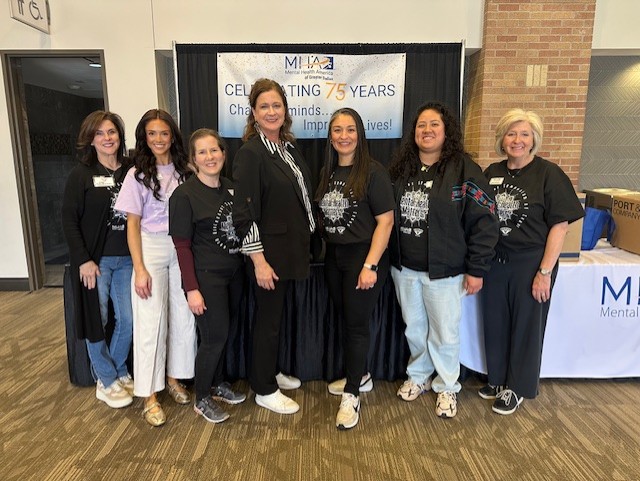
West Fraser grant supports mental health advocacy and outreach in rural Texas
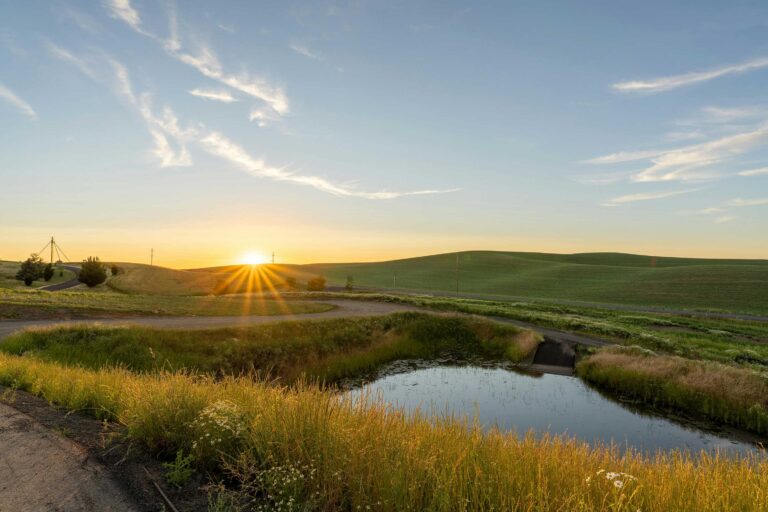
Confronting the impact of policy and legislation on rural mental health
Connect with our rural partners
Rural Minds
Serves as the informed voice for mental health in rural America, and to provide mental health information and resources.
National Association for Rural Mental Health (NARMH)
Seeks to promote the linkage of the diverse voices of rural mental health, through its activities as a membership organization.
In crisis? 24/7 help is available
Call or text 988 or chat 988lifeline.org. You can also reach Crisis Text Line by texting HOME to 741741. If you are in immediate danger, call 911.
 The Rural Mental Health Hub is supported by contributions from West Fraser as a part of an initiative focused on supporting mental health awareness in rural areas.