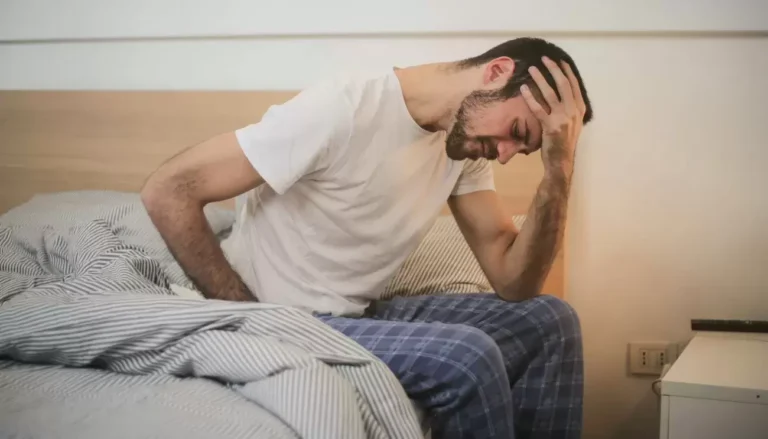
When you live in a small town, getting mental health care can feel hard. There may not be a mental health specialist nearby, or you might worry about people seeing you (or your car) at a counseling office. Seeking help for your mental health is a sign of strength, and this article is here to help you navigate taking the first steps. The good news is that your primary care provider (the family doctor, nurse practitioner, physician assistant, pediatrician, OB/GYN, or a provider at a community health clinic) can be your starting point for mental health care.
Key points
Primary care providers (PCPs) are a convenient and confidential entry point for mental health care, especially in rural areas where specialists may be scarce.
PCPs can do initial assessments, prescribe medication, and refer patients to specialists or other resources like therapy or support groups.
To address stigma and accessibility issues, PCPs often offer telehealth options, early/late appointments, and assist in finding local or low-cost specialty care if needed.
Why start with your primary care provider (PCP)?
- They are local and familiar. You likely already see this provider for routine checkups, sick visits, or taking care of other health issues. Talking about mental health can make you feel vulnerable, and using the same doctor you always use can make conversations feel easier and safer.
- They can help right away. PCPs routinely treat anxiety, depression, sleep problems, grief, and stress. They can start treatment, order tests, and rule out medical causes.
- They can make connections. Your PCP can refer you to therapy or psychiatry (in person or virtually), coordinate with your pharmacy, and help with follow-up.
- You can trust that your information will be private. Health information is confidential, no matter what type of provider, because of a law called HIPAA. Your care team cannot share your information without your permission, except in emergencies. However, it helps that a PCP is someone you may have a relationship with and trust already with your health information.
6 steps for getting mental health help in rural areas
1. Notice a concern. Mood changes, worry, panic, trouble sleeping, grief, drinking more, or feeling hopeless are some common concerns.
2. Take a screen. A quick, free, and private way to understand your symptoms is to take a mental health test at MHAScreening.org. It only takes a few minutes, and will provide you with results that you can print or screenshot to show your doctor. This worksheet can help you organize your thoughts after you get your results.
3. Make an appointment with your primary care provider (PCP). Ask for the first available slot and mention it’s for mental health, so you get enough time.
- You can say something like, “I’ve been feeling [down/anxious/overwhelmed] for about [X weeks/months]. It’s affecting my [sleep/work/family]. I took a screen at mhascreening.org, and it said I’m showing signs of [depression/anxiety]. I’d like to talk about options and next steps.”
- It can be helpful to complete this checklist before your appointment to keep track of what you want to tell the doctor.
- Remember, nearly 1 in 4 American adults will have a diagnosable mental health condition in any given year, so you probably aren’t the only one in your community who is seeking help.
4. Go to your appointment and start a plan. After discussing your symptoms and screening results, your PCP may:
- Listen and ask questions about your medications, health, stress, safety, and support system
- Run tests to check for physical causes of symptoms (like thyroid, anemia, pain, or sleep apnea)
- Provide you with information or offer brief counseling and recommendations for coping skills
- Write a prescription (if appropriate) to help manage your symptoms and make a follow-up plan
- Make a referral to a therapist or psychiatrist (in town or via telehealth)
5. Follow up. Your PCP will set up another appointment to track how you are feeling and adjust your care plan if needed. They may also suggest additional supports like peer groups or faith/community resources.
6. Step up specialty care if needed. If symptoms are not improving, your PCP will help you find specialty care. Because providers are especially limited in rural areas (but also nationwide), it may take a while to get an appointment. You will likely continue to meet with your PCP until you can see a specialist. In cases where symptoms are extreme and urgent, they may suggest you seek inpatient care at a hospital.
Worried about stigma in a small town?
You’re not alone. In places where everyone knows your name, things might not be as private as you would like. Many people worry about being seen at a mental health clinic (whether they are in a rural area or not). Starting with primary care can feel more comfortable since the appointment is with someone you may already trust, and being there won’t raise eyebrows. You can also ask about:
- Telehealth or phone visits that you can take from home or your parked car
- Early morning or end-of-day appointments when the office is quieter
- Picking up prescriptions at a local pharmacy with a drive-through, or getting medications delivered by mail
If you need specialty care, but it’s far away
Ask your PCP about:
- Teletherapy or telepsychiatry (video or phone). Obligations like childcare or farm chores, or long drives, can make in-person visits complicated. But these factors don’t have to prevent you from getting care. Virtual visits are a great option for busy schedules. If you don’t have reliable internet access, you can ask for phone-only visits or see if your local library offers a private telehealth room.
- Behavioral health specialists. Some practices have a mental health provider who visits their office on certain days.
- Local care options. Community health centers, Rural Health Clinics, VA clinics, or county health departments may be able to provide mental health services and supports.
- Sliding-scale or low-cost counseling. This is often available through local nonprofits, colleges, or faith-based groups.
- Group programs. Support groups for grief, parenting, recovery, and other topics may meet on a regular basis at churches, libraries, or community centers.
When to get immediate help
- Thoughts of harming yourself or others
- Hallucinations, confusion, or not feeling in touch with reality
- Withdrawal from alcohol or benzodiazepines, or severe reactions to a new medication
If you’re in crisis, call or text 988 (the Suicide & Crisis Lifeline) or go to the nearest emergency room. If there is immediate danger, call 911.
MHA resources
- Rural mental health crisis
- Rural mental health resources
- Rural mental health crisis fact sheet (PDF)
- Supporting youth mental health in rural communities (Webinar)
- The rural mental health crisis (Webinar)
- Hidden struggles: Addressing mental health stigma in rural areas (Webinar)
- Providing peer support in a rural environment (Webinar)
- Resources for immediate response
- Suicide prevention
- Know the signs: Help prevent a loved one’s suicide (Blog)
- When “I want to die” changes from suicidal ideation to a reflex (Blog)
- What happens if I call the Suicide Prevention Lifeline?
- Survivors of suicide support groups
- Suicide information and support
Survey
Take a mental health test
 If you or a friend are struggling with your mental health, take an anonymous, free, and private mental health test. It only takes a few minutes, and after you are finished, you will be given information about the next steps you can take based on the results.