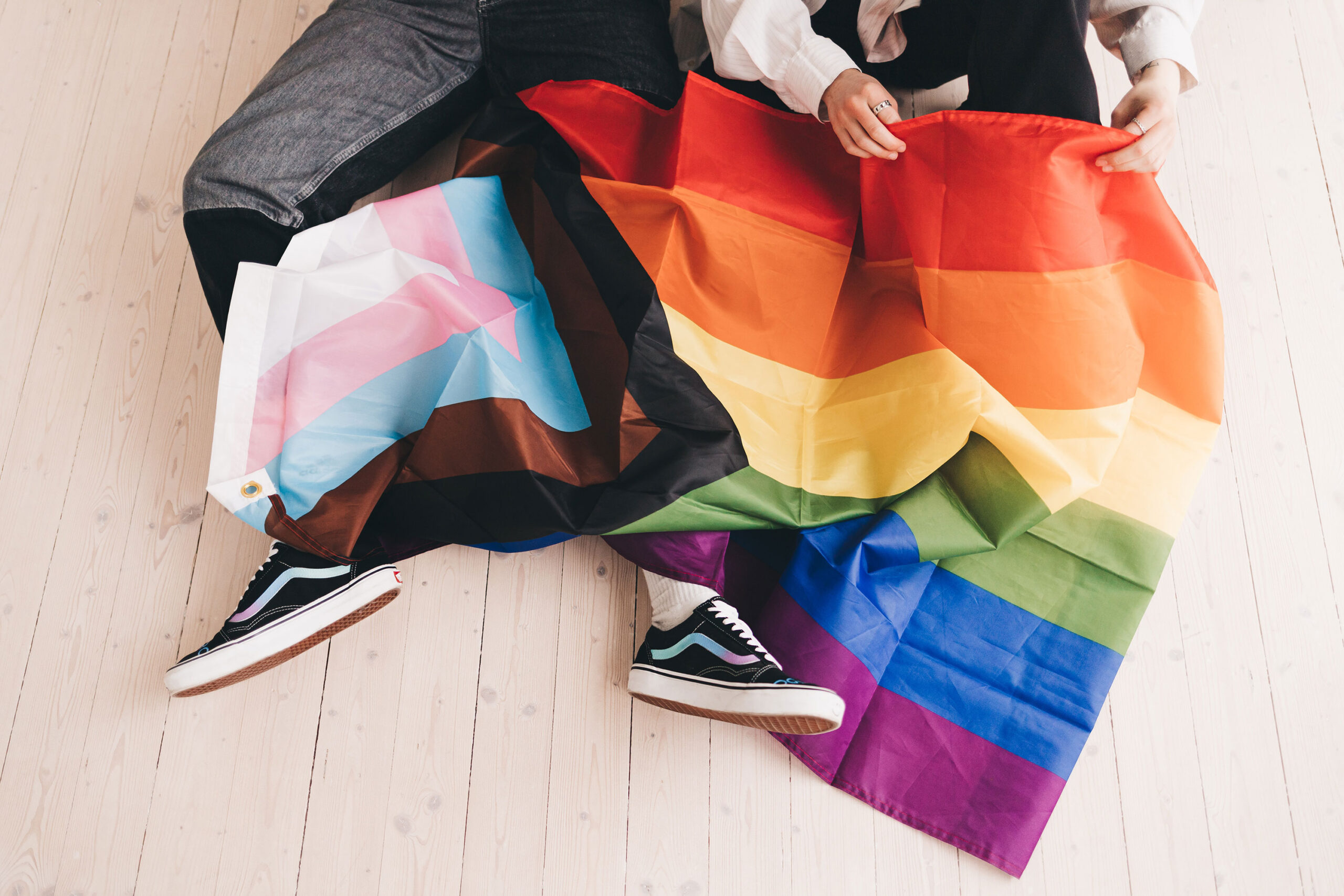
Being LGBTQ+ isn’t a mental illness. However, many LGBTQ+ people experience mental health struggles linked to societal stigma, discrimination, and denial of their civil and human rights.
If you’re just starting to learn about the LGBTQ+ community, you might be unfamiliar with some of the language used surrounding sexuality and gender – the Human Rights Campaign’s Glossary of Terms can clarify new-to-you words as you explore this topic.
 Celebrate Pride Month with MHA
Find our latest articles and resources, as well as social media posts you can use to share about mental health during Pride Month.
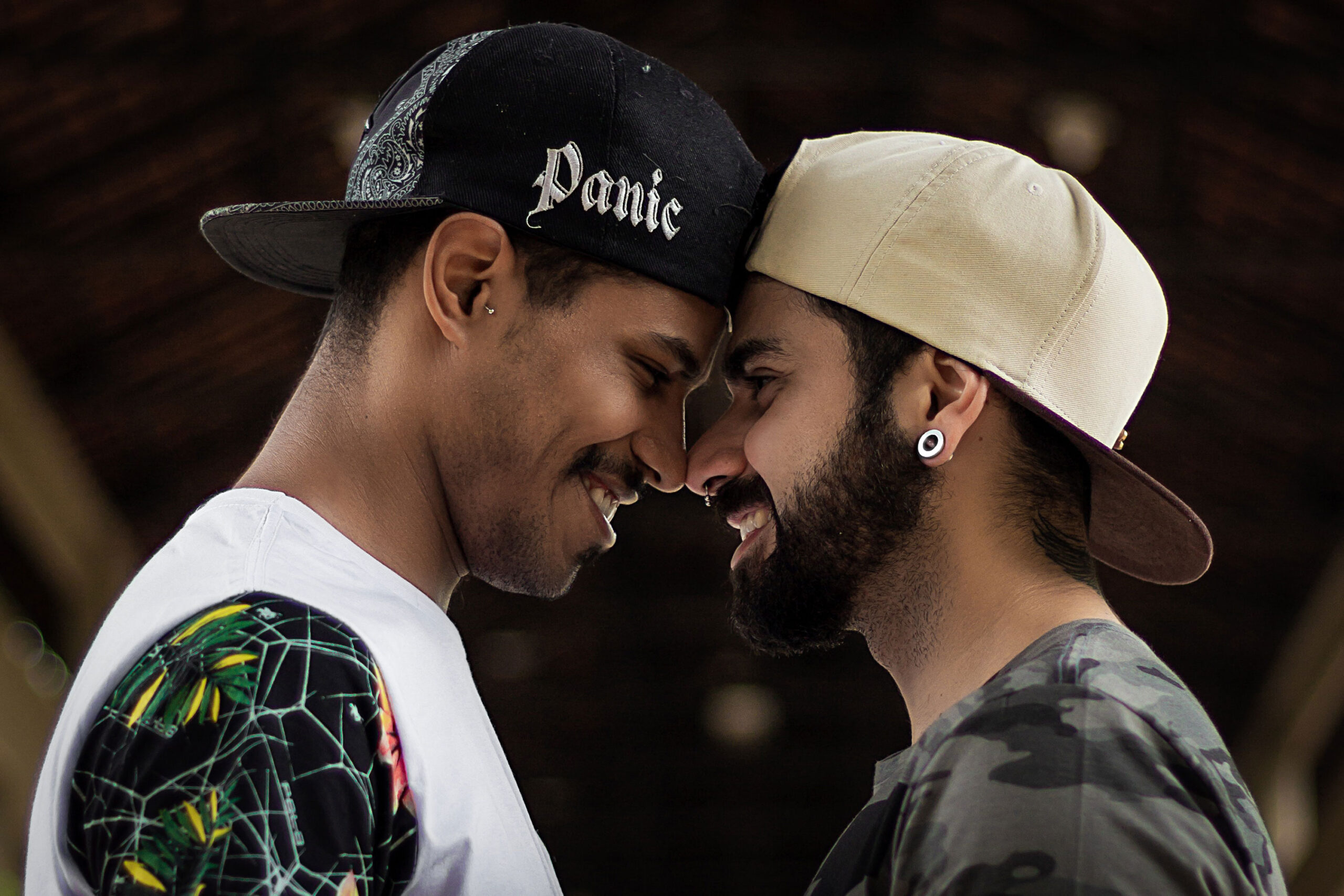 Mental Health in the LGBTQ+ Community
Most LGBTQ+ individuals are incredibly resilient and will thrive in the face of adversity with the help of supportive families, communities, and peers.
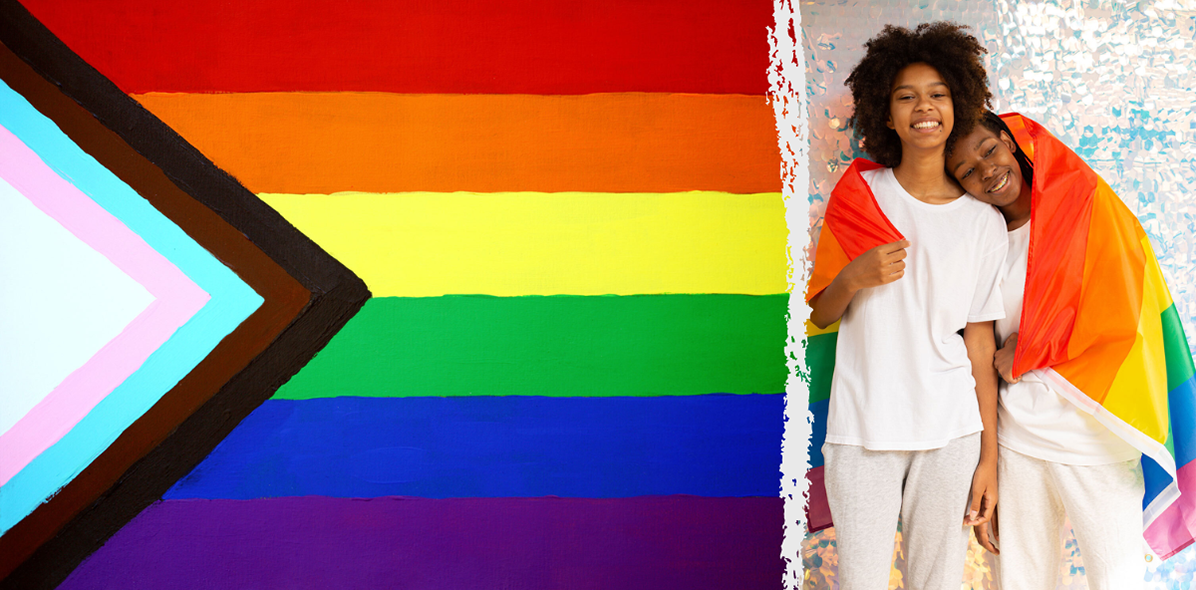 Pride and Joy
Pride Month is a time for LGBTQ+ folks to gather and celebrate their freedom to live authentically.
The meaning of justice, pride, and connection
Transgender Mental Health Resource Center
Being trans, nonbinary, or questioning your gender isn’t a mental illness — but the trans community does experience higher rates of mental health conditions and challenges than any other LGBTQ+ identity group.
Support and mental health care
I’m looking for professional help
Finding affirming mental health care
How do I find LGBTQ+ friendly therapy?
Questions to help QTBIPOC find affirming care
How can I get help without my family knowing?
Will my therapist understand my needs?
I don’t have access to professional help…what can I do?
Engaging LGBTQ+ youth in safe online spaces
I’m a provider for LGBTQ+ individuals
Increasing cultural competency in mental health care settings
Underreporting of suicide attempts in gender non-conforming individuals
 Sexuality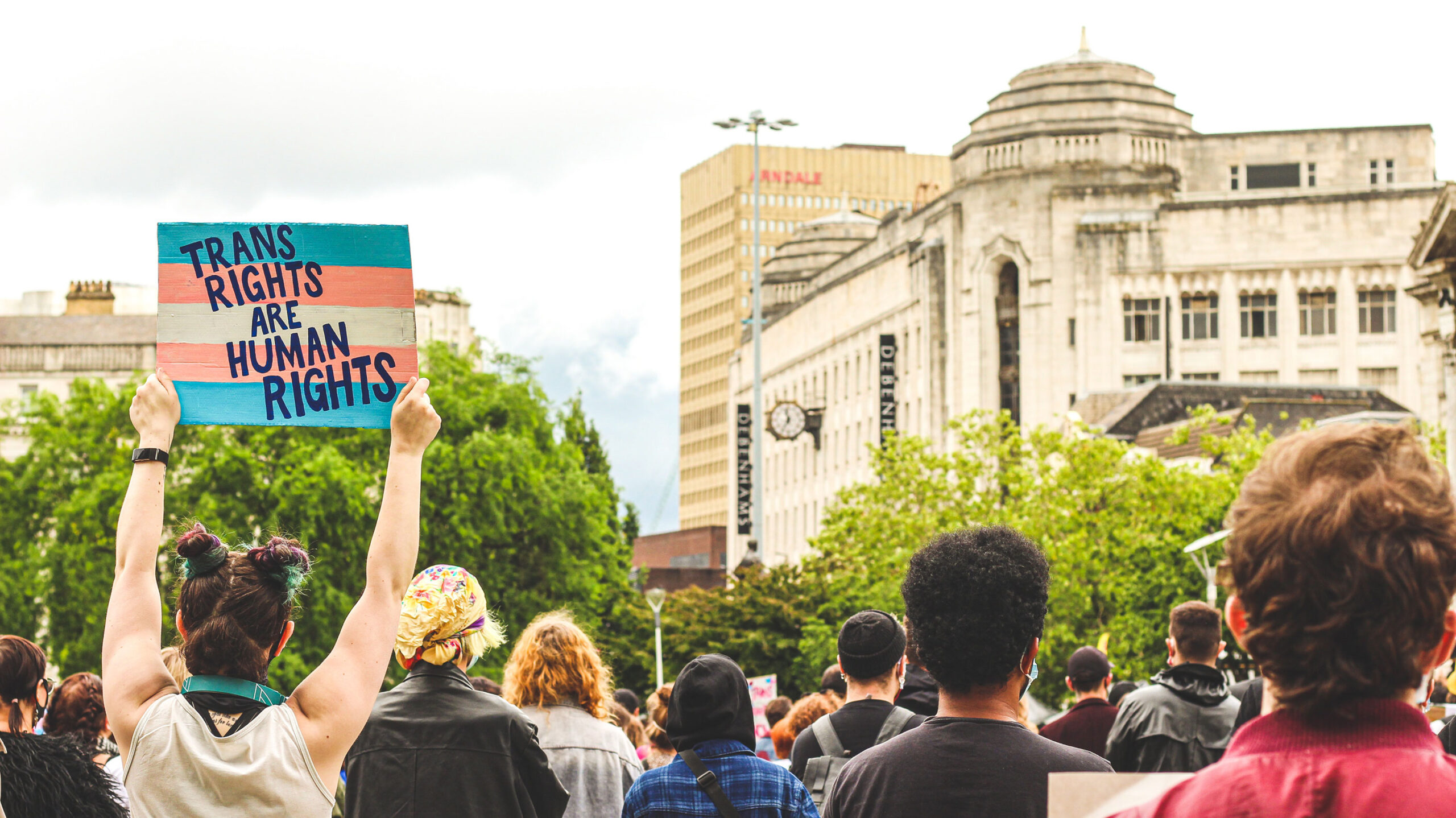
 LGBTQ+ Youth
Resources for young LGBTQ+ individuals and the people who support them.
I’m LGBTQ+ and a young person
Young Mental Health Leaders series: LGBTQ+ youth mental health
 Intersecting Identities