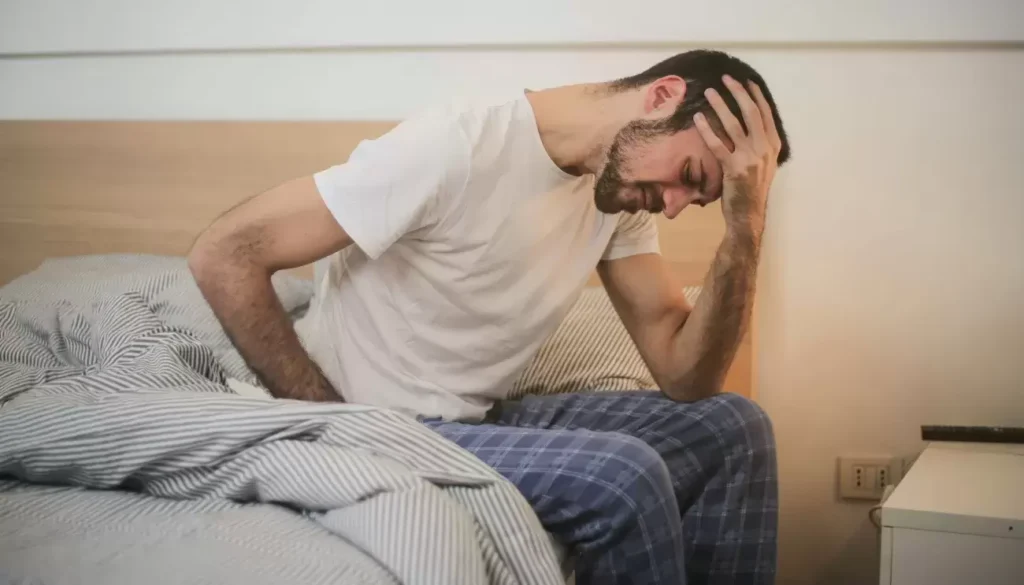
Many people experience physical symptoms without realizing they might be connected to their mental health. You might feel stomach trouble, aches and pains, a fast heartbeat, or chest tightness, and think something is wrong with your body. These physical feelings are real, and they are often the first way that ongoing stress, anxiety, or depression shows up. Taking steps to reduce stress and live a healthy lifestyle can be very helpful, but some people may need more support to start feeling better. This article will help you understand the strong connection between your mind and body and explore what you can do to find relief.
Mental health and stomach issues
Your gut has its own nervous system and communicates constantly with your brain. When you feel worried, stressed, or sad, you may experience digestive issues.
Research suggests that stress changes gut movement and sensitivity, which can make everyday stomach sensations feel more painful. The development of irritable bowel syndrome — which has symptoms like stomach pain, bloating, diarrhea, and constipation — has been closely linked to stress, anxiety, and depression. The good news is that reducing stress and getting help from a therapist can improve digestive symptoms for some conditions.
What you can do to feel better
- Eat regular, nutritious meals and drink water. Keeping your body fueled and hydrated can help your digestive system work better.
- Limit caffeinated drinks like coffee, tea, and soda, and also alcohol. These can make stomach issues worse.
- Try deep breathing before you eat to help your body relax.
- Track when symptoms get worse. Knowing what situations or feelings trigger your stomach issues can help you manage them.
- Talk to your doctor if your symptoms last more than a few weeks.
Mental health, headaches, and body pain
When you are under stress, your muscles naturally tighten up. If this stress lasts a long time, the muscle tightness can turn into frequent headaches, neck pain, and body aches.
Studies also show that people living with depression can become more sensitive to pain. Anxiety and depression symptoms are often linked to painful tension headaches and migraines. Additionally, many people living with depression often report unexplained pain and body aches.
Mental Health America (MHA) asked people what depression feels like. Here is what they shared:
“A needle of pain pricking at your body at every chance it gets.”
“Your head is surrounded by a thick, black, unrelenting fog.”
“Heavy and tired, like you’re moving through quicksand.”
What you can do to feel better
- Try gentle stretching to relieve pain and stiffness in your muscles.
- Use a warm shower or a heat pack for muscle aches.
- Use a cool compress for headaches.
- Drink water regularly to make sure your body is properly hydrated.
- Track when your pain increases. This can help you find patterns.
- Reach out to a doctor if the pain becomes a daily problem or feels severe.
If your pain comes on suddenly, is severe, or is different from any headache or ache you have ever felt, contact a doctor immediately.
Mental health and cardiovascular symptoms
When you feel intense worry, stress, or panic, your body’s alert system — or “fight or flight” response — turns on. Even when there is no real danger, this system can make you feel like you are in a crisis.
Research shows that panic symptoms often mimic medical issues, and people can feel chest tightness, fast heartbeat, dizziness, or trouble breathing even when their heart is healthy. One study found that long-term anxiety can affect the heart and blood vessels, which is why these symptoms shouldn’t be ignored and should be checked by a doctor.
Mental Health America (MHA) asked people what anxiety feels like. Here is what they shared:
“You can’t breathe; air is all around you, but you can’t get to it.”
“Your heart is beating out of your chest.”
What you can do to feel better
- Practice slow, deep breathing to help calm your danger system.
- Limit stimulants like caffeine, nicotine, and energy drinks, which can make symptoms worse.
- Notice emotional or situational triggers that may be starting the episodes.
- Get checked by a doctor to make sure your symptoms are not caused by heart or lung issues.
Contact a doctor immediately if chest tightness or a racing heartbeat is sudden, severe, lasts more than a few minutes, or is accompanied by trouble breathing, dizziness, or fainting. You should also seek medical attention if symptoms happen during physical activity.
Considerations for rural residents
People living in rural or farming areas face unique, high-pressure challenges that can make these physical symptoms worse or harder to recognize as mental health struggles.
- Tough, long hours: Farm work, caregiving, and seasonal jobs often involve physical labor, long days, and very little time for rest. This naturally increases fatigue, muscle pain, and headaches, which may make it harder to see if a mental health challenge may be contributing.
- Financial stress: Unpredictable income from farming or seasonal work can add to already high stress loads.
- Planting and harvesting pressure: Poor weather, crop loss, or challenges with livestock can create intense, ongoing worry. This kind of chronic worry may show up as stomach issues or chest tightness.
- Focus on strength: Many rural communities value strength and independence and may feel pressured to keep their emotional struggles to themselves. This can cause people to ignore or push through symptoms until they become severe. It is important to remember that strength also means asking for help when you need it.
Cultural considerations
The culture that you are a part of can also influence how you experience mental health symptoms. In rural communities, communities of color, and others, the stigma associated with mental health conditions continues to be a major barrier to seeking help for many people. Fear of judgment or discrimination, or mistrust in the health care system, can make it challenging to talk about mental health concerns.
If it doesn’t feel safe to talk about difficult thoughts and feelings in your community, it might feel easier to focus on how related symptoms are showing up in your body. As a result, some people may first recognize or talk about physical symptoms when experiencing a mental health concern.
Remember that seeking help is a sign of strength, not weakness.
Next steps
Stress, depression, and anxiety can affect your whole body. Physical symptoms can signal that your mental health may need attention. Taking steps to reduce stress and generally live a healthy lifestyle can be helpful, but some people may need more support to feel better. Talking with a mental health professional can help you understand what’s going on and build a plan that works for you.
If you or a friend is struggling with your mental health, take an anonymous, free, and private mental health test at mhascreening.org. It only takes a few minutes, and after you are finished, you will be given information about the next steps you can take based on the results.
If you or someone you know is struggling or in crisis, help is available. Call or text 988 or chat 988lifeline.org. You can also reach Crisis Text Line by texting HOME to 741741.