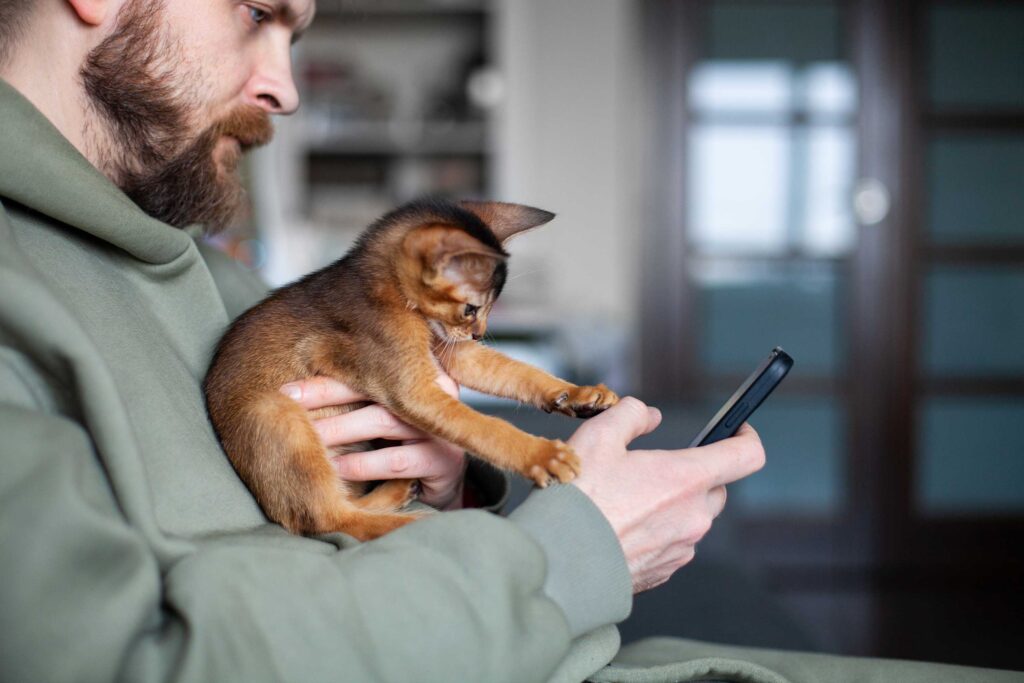
We thrive when we are connected — connected with each other, connected with nature, and connected with animals. For those who struggle to connect with others or do not have access to green spaces, having an animal companion provides comfort, purpose, joy, and even a listening ear.
The impact of social isolation
Connection is something that people seek to feel well mentally, physically, emotionally, spiritually, and psychologically. However, social isolation and loneliness are a growing public health concern in the United States.
Social isolation and loneliness do more than just disconnect people from others. Research shows that loneliness can increase your risk of several different mental and physical health conditions, including depression, heart disease, arthritis, and type 2 diabetes.
Did you know?
- People who lack social connections or report frequent feelings of loneliness tend to suffer higher rates of infection, death, depression, and cognitive decline.
- Children who are isolated or experience loneliness are more likely to have difficulty adjusting to school and exhibit problematic behaviors like disobeying rules and physical aggression, and an increase in internalized behaviors, such as fearfulness and social withdrawal.
- Adults who are more socially connected are healthier and live longer than their more isolated peers.
Human and animal interaction, such as pet ownership or interacting with animals in treatment, is a promising way to help slow the growing loneliness epidemic and improve social connection.
Animal connection reduces loneliness
In a nationally representative survey, the Human Animal Bond Research Institute (HABRI) and Mars Petcare found:
- 85% of respondents agree that interaction with pets can help reduce loneliness.
- 76% agree that human-pet interactions can help address social isolation.
- 72% believe human-animal interaction is good for their community.
- 80% of pet owners say their pet makes them feel less lonely.
- 54% of pet owners say their pet helps them connect with other people.
These stats show the power of human and animal interaction in improving loneliness and social isolation. People feel connected to and supported by their pets. This reduction in loneliness leads to better health benefits and satisfaction in life.
Pets become companions and confidants, and they can also help create connections with other people. This can look like finding and joining communities in person or online with other pet owners, meeting people in the park, at the vet, or at other events, and finding common interests by sharing or swapping stories about pets.
During his keynote address at the HABRI Summit on Social Isolation & Companion Animals, former U.S. Surgeon General Dr. Vivek Murthy, stated that pets teach us important lessons about love. With love comes taking risks to be compassionate, reaching out and helping others, and showing support.
“I think it’s important not just to think about benefits of pet ownership, but also to ask, how can we make interaction with pets more broadly, even if I don’t own pets, how can we make interaction with pets more feasible? I would love for my kids, for example, to be able to interact with pets in school, in their community at large, and I think that the more people interact with pets, I think it softens them. It lowers our stress levels, and it allows us to connect in a way that I think is complementary to our connections with people.”
– Dr. Vivek Murthy, 19th Surgeon General of the United States
Animal companionship for people without pets
If you don’t have a pet, you might not be sure how to make animal companionship a part of your mental health routine. Don’t worry! There are many places and spaces that you can find to fit your needs.
Here are some ways to access animals without owning one:
- Find a provider that incorporates animals. Many health care settings, like doctors’ offices, hospitals, and other facilities, are incorporating human-animal interaction into their therapy and treatment plans.
- Visit animal-centered places. Farms, petting zoos, aviaries, and wildlife preserves and sanctuaries are some options to consider.
- Volunteer. You can volunteer at animal shelters, or offer to help a friend by pet-sitting or walking their dog when they work late or are out of town.
- Work it into your hobbies and activities. For example, you might try spending time at a cat café, hiking through a nature preserve, or signing up for a goat yoga class.
If you are taking steps to deal with loneliness, but continue to find it difficult, consider taking a mental health test at mhascreening.org.