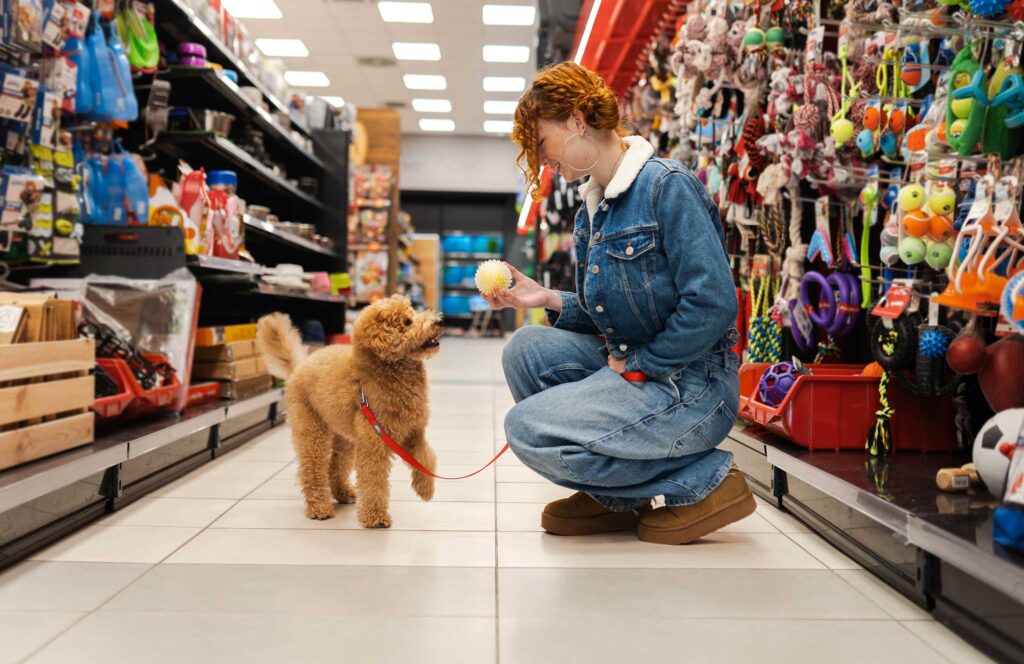
Getting a new pet is a big decision for any individual or family,whether you’re fulfilling a lifelong dream, starting to build a family, or seeking a loyal companion.
Research shows that the bond between a new pet and owner can be instantaneous, and that the human-animal bond can be beneficial for both human and pet health and wellbeing.
There are many factors to consider before bringing a new pet home to help ensure a lasting, strong human-animal bond.
How to prepare for a lasting human-animal bond
Identify the best type of pet for your household
Every pet species has its own needs for enrichment, exercise, environment and care. Reviewing trusted resources is a great way to explore the type of pet that best fits your lifestyle.
- What type of pet should you or your family get? from Petco
- Selecting a pet for your family from the American Veterinary Medical Association
- Is a pocket pet right for me? from the American Animal Hospital Association (AAHA)
- Should you get a dog? 8 questions to ask yourself from Chewy
- Breed Explorer: Dive into a database of over 400 pet breeds and discover key traits and expert care insights
Still unsure what pet is best for you? Take a quiz!
Consider your lifestyle, budget, and time
Pets of all ages and sizes require resources, including money and time, and a commitment that extends their lifespan. Understanding your pet’s needs and related costs can help ensure a good fit.
- How to budget for a happy, healthy pet from Chewy
- How much do pets cost from MetLife
Think about your schedule: how often are you away from home, how often do you travel, and how much time can you realistically dedicate to pet care? You may need support such as regular pet sitters, daycare, or boarding.
Bringing a new pet into your life can be a significant, yet rewarding decision. Take time to consider what life with a pet will look like and what’s realistic and manageable for your household.
Plan ahead before bringing your new addition home
Make sure your home is ready to welcome your new pet. Pet-proofing can keep your pet safe and help prevent unwanted behaviors.
If you rent your home, check whether your apartment or house is pet-friendly, and look into any pet-related restrictions or requirements. If unsure about your rental property’s rules regarding pets, talk with your landlord or property manager.
What do you need before bringing your new pet home?
There are countless products designed to optimize your relationship with your pet. Start with essentials like food, bedding, water bowls, leashes, or collars and you can add from there as you need.
- Cat supplies checklist from Arm & Hammer
- What do I need to take care of my new cat? from PetSmart
- New puppy checklist from petMD
- What to buy for a new dog from Zoetis
- Understanding your pet’s needs (new article)
Consider the entire household
If you already have a pet, plan introductions carefully. Bringing home a new puppy or kitten into a home with older animals takes planning to reduce stress, promote bonding, and set their relationship up for success.
There are also helpful ways to reduce pet allergens in the home if someone in your household is allergic to animals.
For families, talk through who will be the primary pet caretaker, or how pet-related responsibilities such as feeding, walking, and vet visits will be divided. Pet caretaking can teach empathy, accountability, and responsibility, especially for children and young adults.
Be prepared for when things go wrong
From financial difficulties to illness and natural disasters, life can be unpredictable. It’s important to plan and consider all members of the family, including your pets, during emergencies. For example, have a bag with pet food, medications and essentials. Make a backup plan in case you’re temporarily unable to care for your pet.
Microchipping and identification
Microchipping your pet helps ensure your pet can be identified if they go missing. Make sure your pet’s microchip is registered and linked to your current contact information.
What to do if your pet goes missing
Nearly 10 million pets go missing each year. Petco Love Lost offers a facial recognition database that helps reunite lost pets with their families. It includes data from individuals and thousands of shelter partners across the country and allows users to search, report, and share missing pet information for free.
Finding your new pet
You’ve done your research, talked with your household, and made a plan. Now you’re ready and your new pet may be easier to find than you think.